

Diving into the world of construction can be overwhelming, especially with all the specialized terminology thrown around. It might feel like learning a new language, but don’t worry. We’re here to decode the jargon and make it easy to understand. Whether you’re a homeowner considering renovations or just curious about the construction process, this guide will help you navigate the lingo with confidence.
Why Construction Jargon Matters
Construction jargon isn’t just for show; it’s a necessary part of ensuring clear communication among professionals. By understanding these terms, you can better comprehend project details and collaborate effectively with teams. Imagine a scenario where a contractor discusses the importance of a “load-bearing wall” directly affecting the structural stability of your home. Without a grasp of such jargon, you might miss out on vital aspects of the project impacting safety and cost.
For homeowners, understanding construction jargon is crucial as it empowers them to make informed decisions. When quotes come in with terms like “R-value” indicating insulation efficiency or “per square foot” pricing metrics, having this knowledge helps in budget planning and conversation with contractors making your renovation smoother and cost-effective.
Common Construction Terms You Should Know
Get familiar with some basic terms like ‘blueprint,’ ‘load-bearing,’ and ‘R-value.’ Knowing these will help you follow discussions about project designs and specifications. Blueprints are architectural drawings crucial for conveying the design plans, from dimensions to structural components. They outline everything a construction team needs to bring a building concept to life, acting as the visual guide throughout the project.
Another important term, ‘load-bearing,’ refers to certain walls that support the weight of the elements above them. Recognizing a load-bearing wall can prevent structural changes that might lead to a collapse. Similarly, understanding ‘R-value’ is essential when dealing with insulation materials, as it measures the material’s ability to resist heat flow, indicating energy efficiency and potential cost savings in heating and cooling.
Decoding the Terminology: Tools and Equipment
Tools and equipment come with their own set of jargon. Terms like ‘sawhorse,’ ‘backhoe,’ and ‘trowel’ are not just words; they are crucial pieces in the puzzle that is a construction site. A sawhorse is a beam with four legs used to support a board or plank for sawing, typically used in carpentry or painting tasks.
The backhoe is a versatile piece of construction machinery with a digging bucket on the end of its articulated arms; it’s used extensively in the excavation of dirt and rocks, crucial in foundation work. Also, the trowel is a small hand tool used in the application, leveling, and spreading of materials such as mortar or plaster; a trowel ensures precise and clean finishes, much like a painter’s brush in art.
Understanding Processes and Techniques
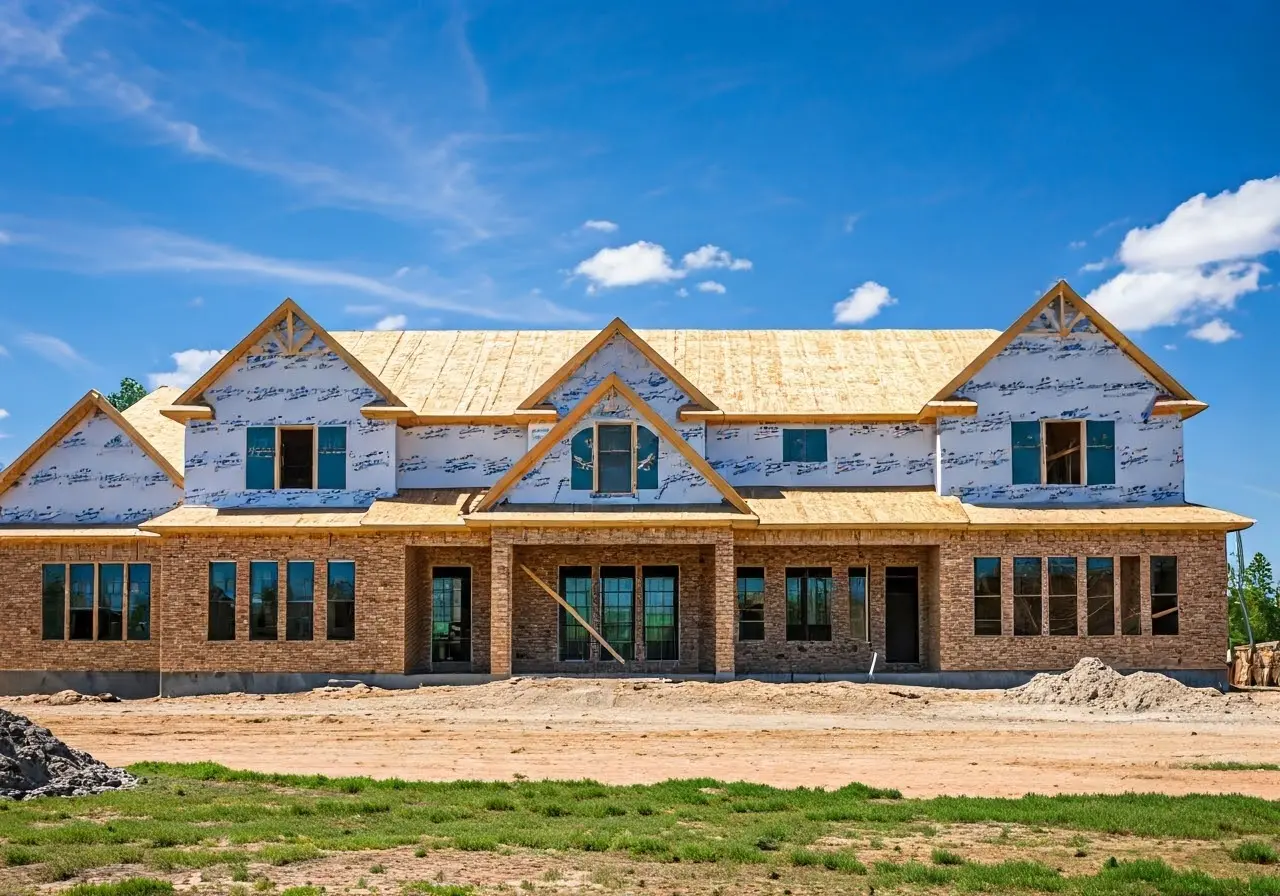
Processes in construction are often described with terms like ‘framing,’ ‘drywalling,’ and ‘finishing.’ Understanding these can give you insights into the stages of a construction project and their significance. Framing is the process of constructing the skeleton of a building using wood or metal studs; this forms the backbone of any structure and more so affects its durability and design.
‘Drywalling’ refers to the installation of drywall sheets, also known as gypsum board, which are used to create walls and ceilings. This phase transforms the project’s skeletal framework into defined rooms and spaces, helping to visualize the final outcome. Finally, ‘finishing’ is an encompassing term for the detail-oriented work applied toward the end of a project, including painting, molding, and final touches that breathe life into the plain structural canvas.
Each of these phases requires specific skills and knowledge, as the quality of materials and craftsmanship employed in these processes provides aesthetics, strength, and functionality to the finished product. Understanding this terminology allows for more productive discussions with your contractors, potentially revealing opportunities to customize phases to fit your specific aesthetic or functional desires tailoring your construction project.
Bridging the Gap: Translating Jargon into Everyday Language
Translating construction terms into everyday language can demystify the process. We’ll illustrate how to convert technical terms into simple explanations that are easy to grasp. For example, when you hear ‘blueprint,’ think of it as the building’s roadmap, directing each team member on where every element goes, much like a recipe guides you in cooking.
Similarly, to translate ‘load-bearing wall,’ imagine the walls as the pillars holding up a tent; without them, everything collapses. In layman’s terms, the ‘R-value’ in insulation acts like a winter coat for your home—more layers keep the chill out better. This simplification helps in discussing your project confidently and eliminates misunderstandings that could lead to costly changes or deviations. Speaking to professionals now appears less daunting, enhancing the smooth progression of your construction projects with less translation needed between professional lingo and homeowner understanding.
Tying it All Together: Becoming Fluent in Construction Jargon
Understanding construction jargon doesn’t have to be a daunting task. With this guide, you’re now equipped to engage in more informed conversations and make better decisions in your construction-related endeavors. Remember, every expert was once a beginner. So, keep learning, asking questions, and soon enough, you’ll be speaking the language of construction like a pro!
Leave a Reply